Why Walk the Old Tokaido Today?
While many visitors come to Hakone for its hot springs and views of Mount Fuji, walking the Old Tokaido remains one of the most rewarding ways to experience the region. This historic stone-paved trail once connected Edo (Tokyo) and Kyoto, and today offers a rare chance to step into Japan's living history.
Quick Facts
- Historic Significance: Part of the former route connecting Edo (Tokyo) and Kyoto during the Samurai era.
- Distance: Approximately 6.5 km
- Tour Duration: Approximately 7 hours
- Walking Time: Approximately 4 hours + 3 hours for lunch, cultural visits and interpretation
- Difficulty: Moderate
- Best Seasons: Spring and Autumn
- Highlights: Ancient Stone-Paved Road, Cedar Avenue, Hakone Checkpoint, Amasake Chaya
- Footwear: Walking or Hiking Shoes
- Suitable For: Most travelers with a reasonable level of fitness. Walking distance can be adjusted using local buses if preferred.
The Old Tokaido in Japanese Art
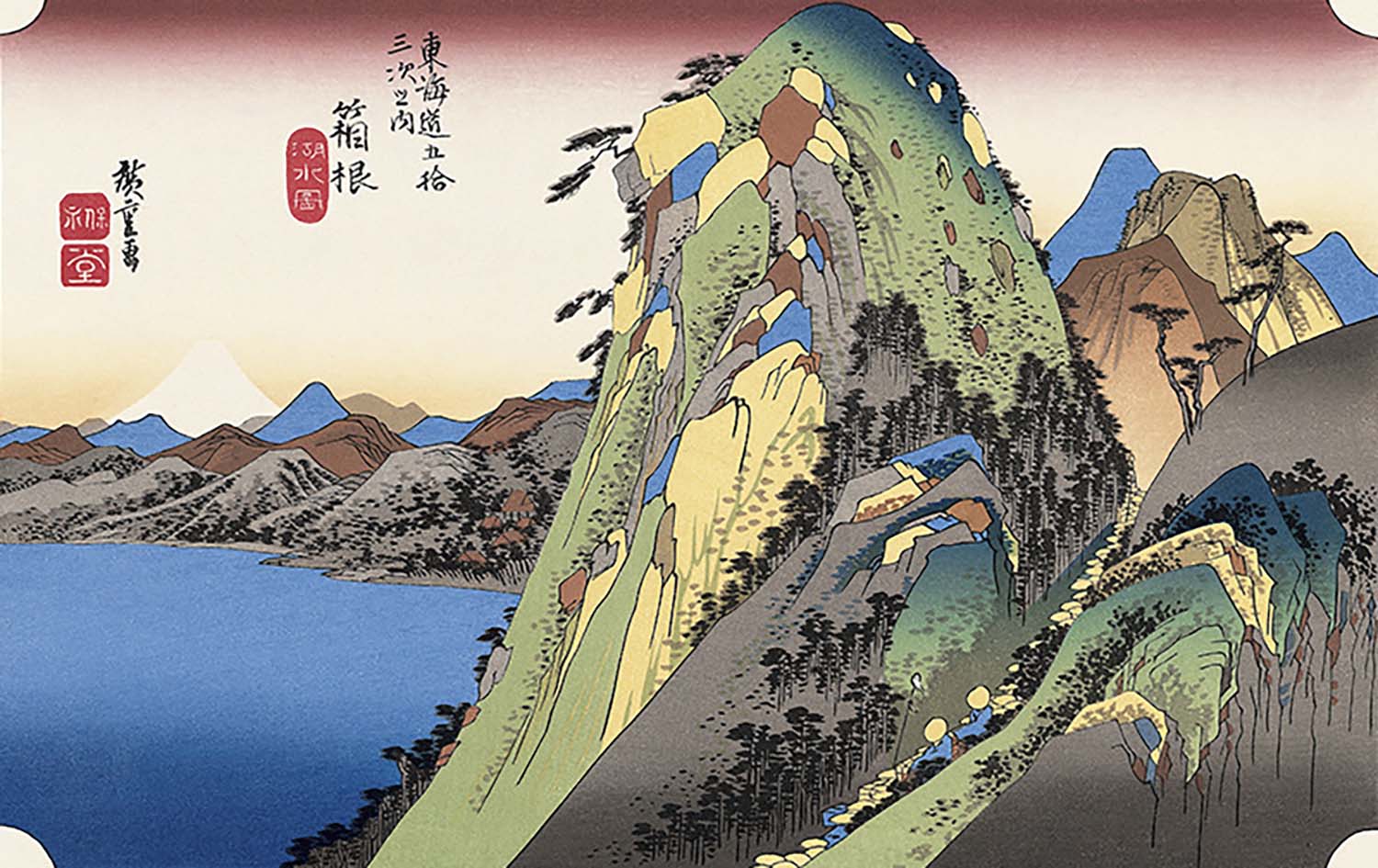
The Old Tokaido has been the setting for Noh (classical Japanese drama) and traditional artwork. Utagawa Hiroshige was considered one of the last great masters of ukiyo-e (Japanese woodblock printing). One of his most renowned pictures is of the view of Mt. Fuji from The Old Tokaido. By experiencing The Old Tokaido you will truly gain a sense of what Hiroshige’s work depicts and also gain a feeling of how it must have looked and felt to travel in the past.
What Will You See Along the Old Tokaido?
Running through the heart of Hakone is the Old Tokaido. The road was one of the most important in all of Japan as it served to connect the cultural and imperial capital of Kyoto with the political and economic center of Tokyo. The road has been the setting for numerous stories, the backdrop for ukiyo-e art. It was the route that the samurai and traveling royalty would use.
Hakone has some of the best-preserved sections of this wonderful piece of history. Walking among the trees and on the stone-paved road transports you to a different time. It is an experience to be felt with all your senses.
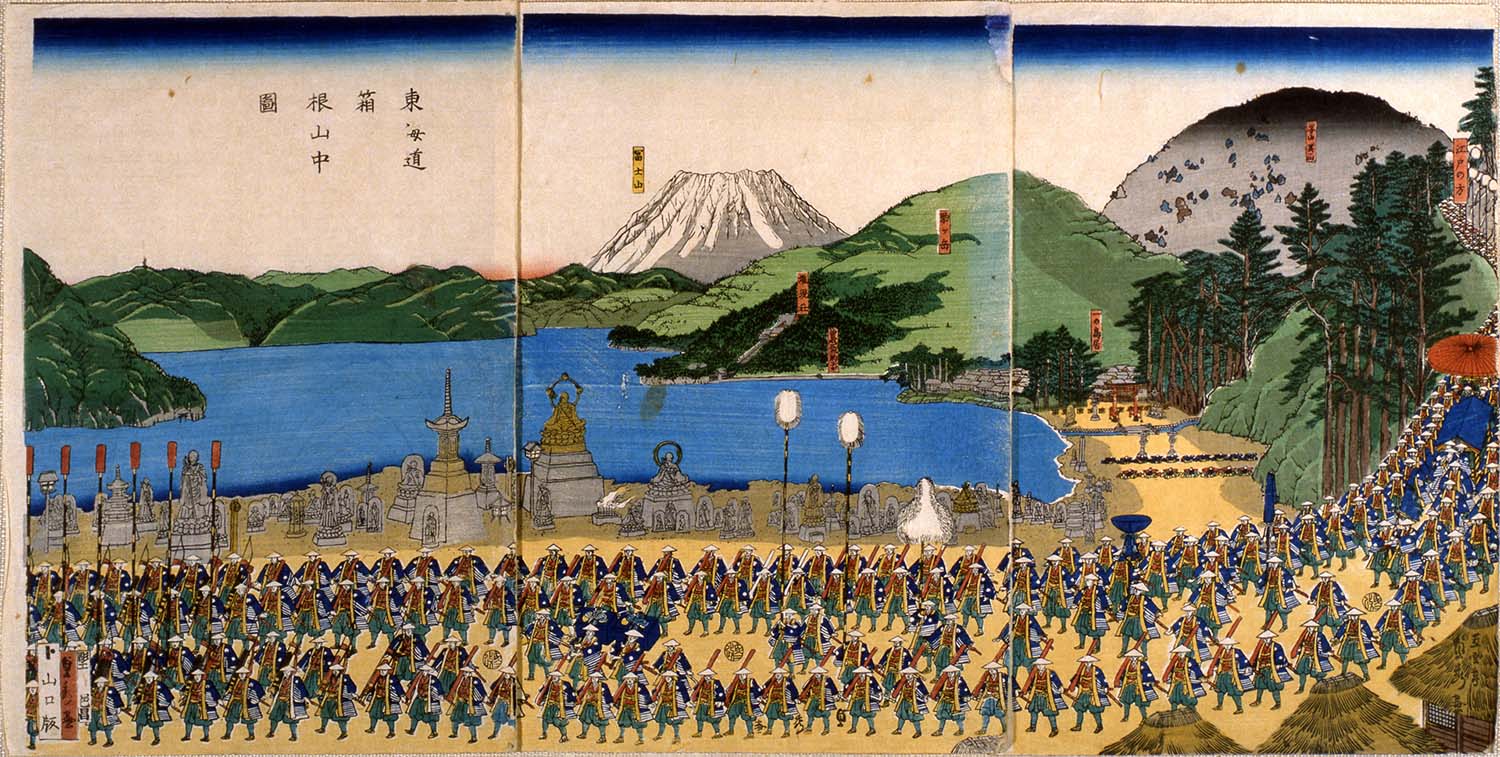
During the time of the samurai, the Tokaido Way was the most heavily used one out of a small number of main roads present at that time. The Tokugawa Shogunate created a number of policies that made the Tokaido a piece of Japanese culture.
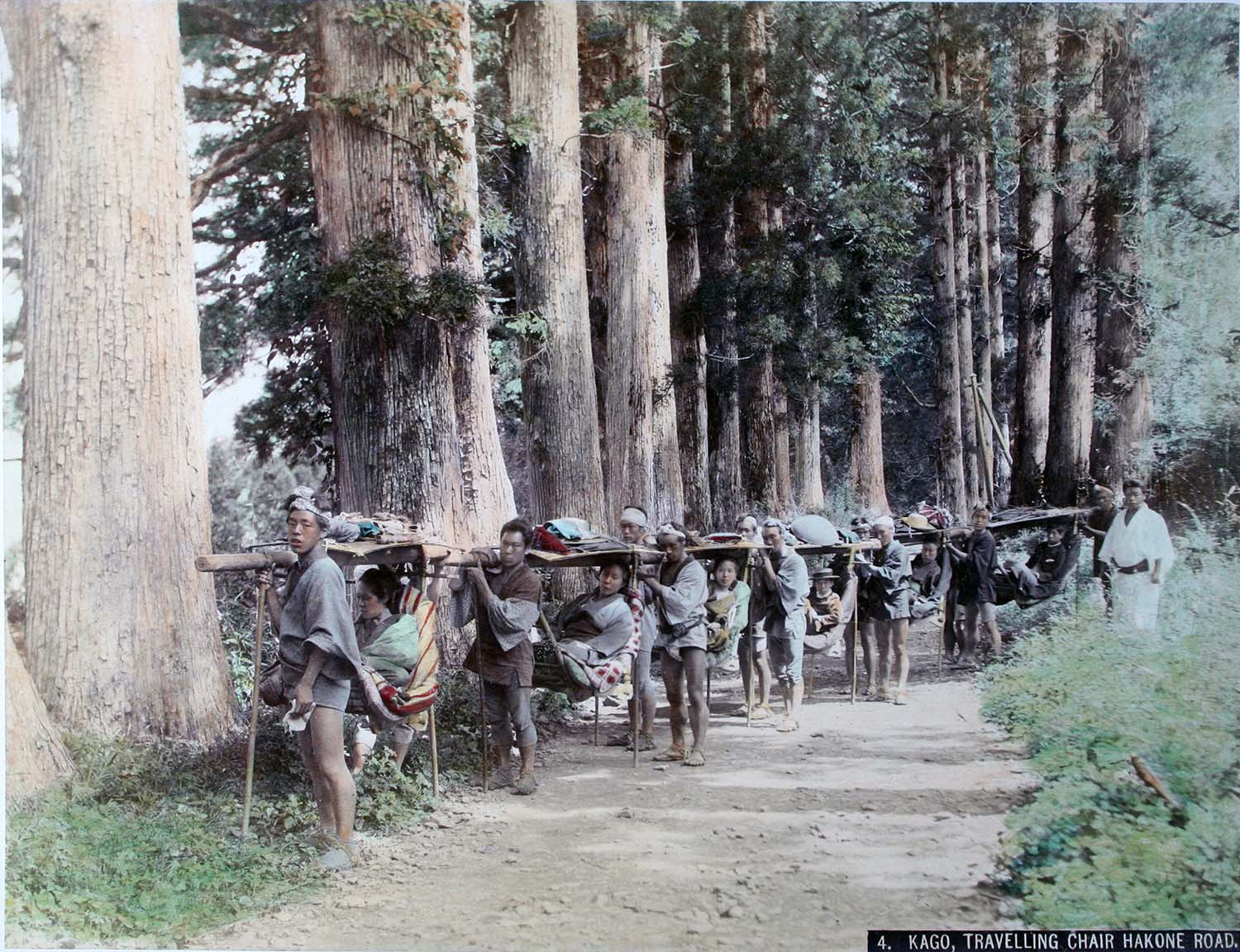
Distant daimyo, feudal lords, were forced to live in Edo during alternate years. They made the move to Edo in long and extravagant processions of servants and samurai. This move ensured a regal atmosphere and high maintenance of the road, which was used not only by the nobles but commoners too.
Hakone Checkpoint and Border Control
The Old Tokaido was renowned for its notoriety. Policies severely restricted the movement of common people, especially women, during the Tokugawa reign. In order to prevent a rebellion and limit communication between areas, travelers were forced to obtain permission to travel on the road.
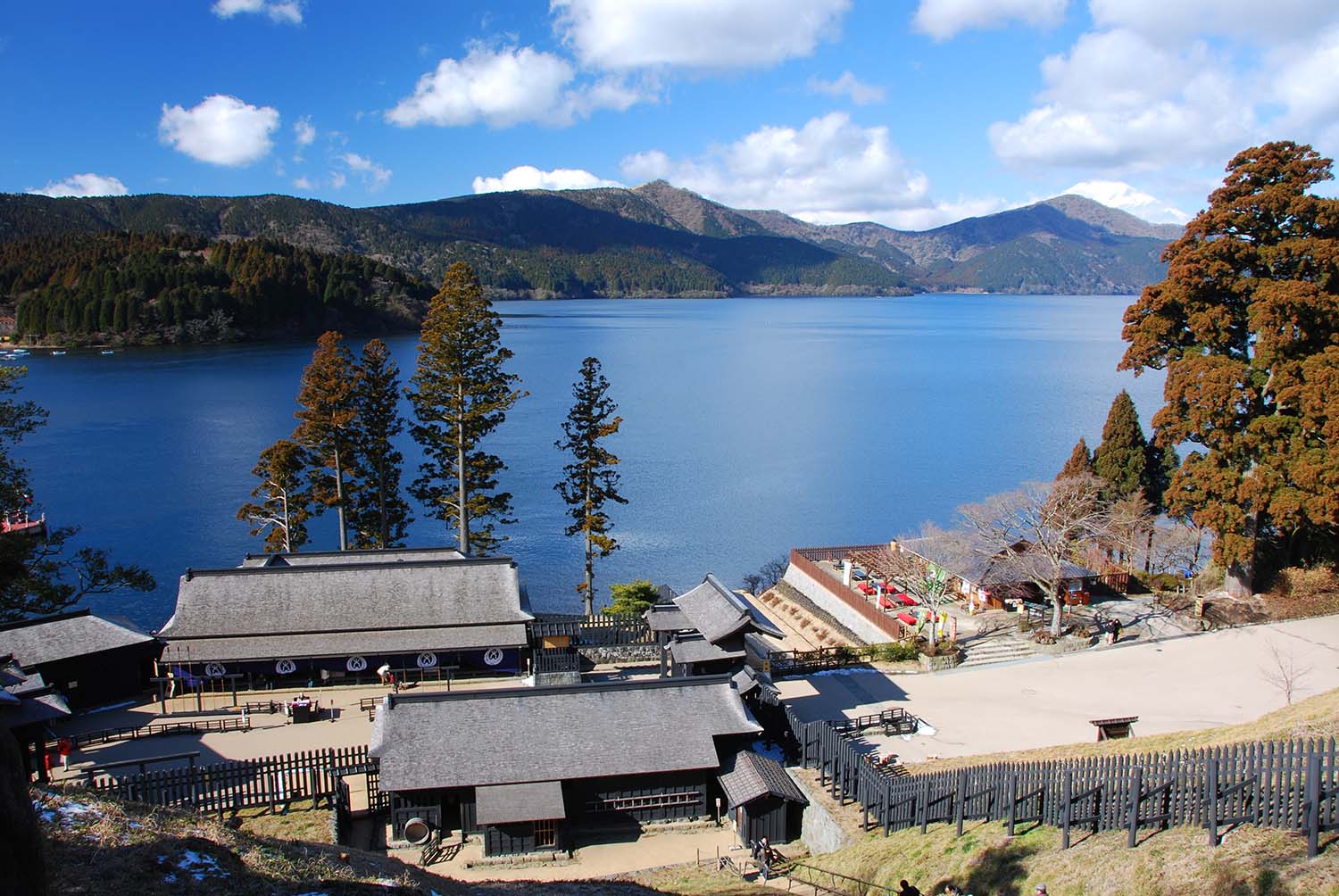
These papers would be checked at certain checkpoints along the road, with one of the most famous ones being on the shores of Lake Ashi in Hakone. You can visit the rebuilt barrier gates of the checkpoint. It was faithfully reconstructed in the same place they occupied for hundreds of years.
Amasake Chaya: A 400-Year-Old Teahouse
When walking along the Old Tokaido trail one feels as if transported back in history. This is especially true when you visit the Amasake Chaya with its rich history. Along the busy Tokaido road, there were businesses catering to the needs of the travelers. These were places to stay, eat, drink and rest.
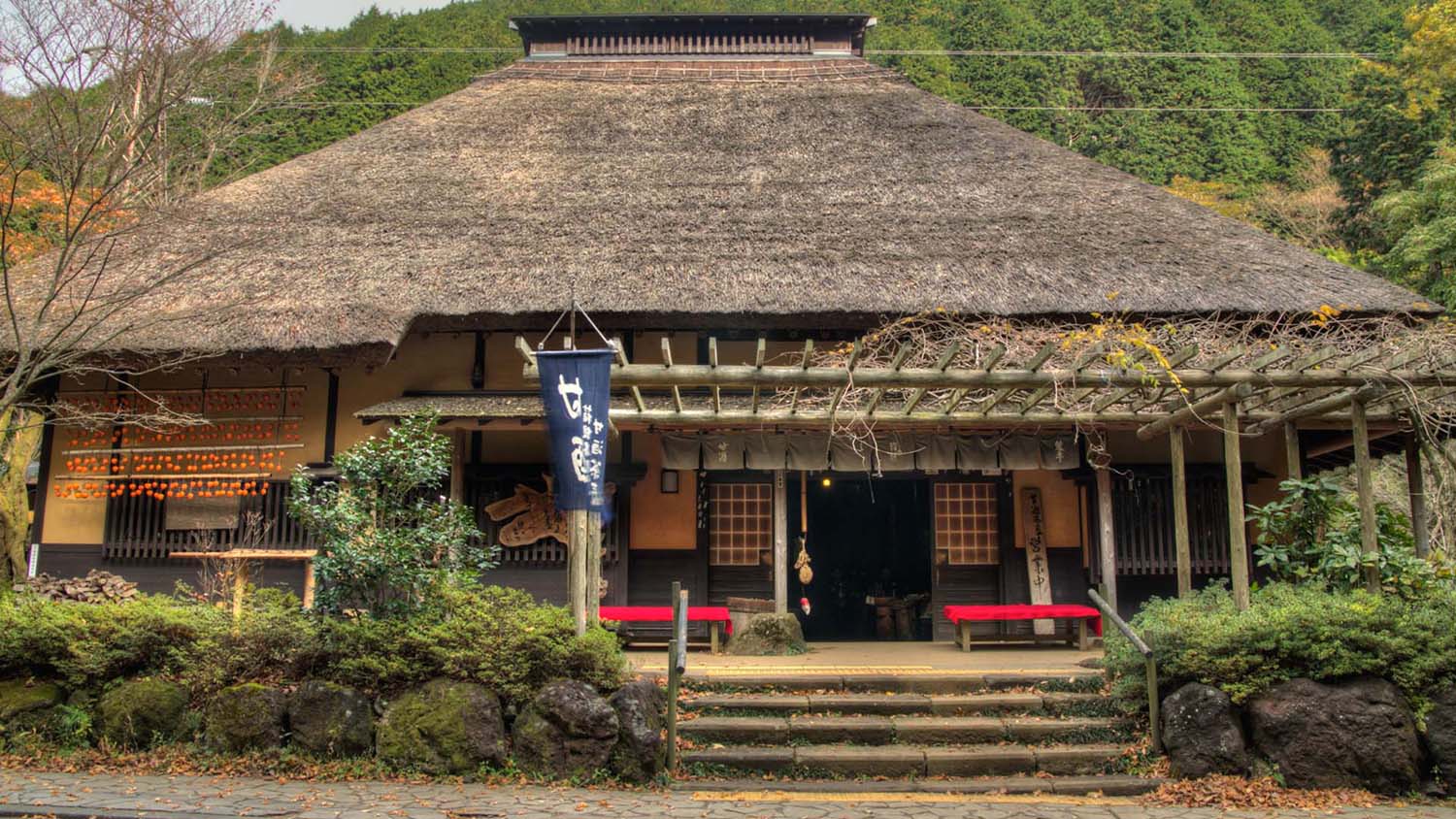
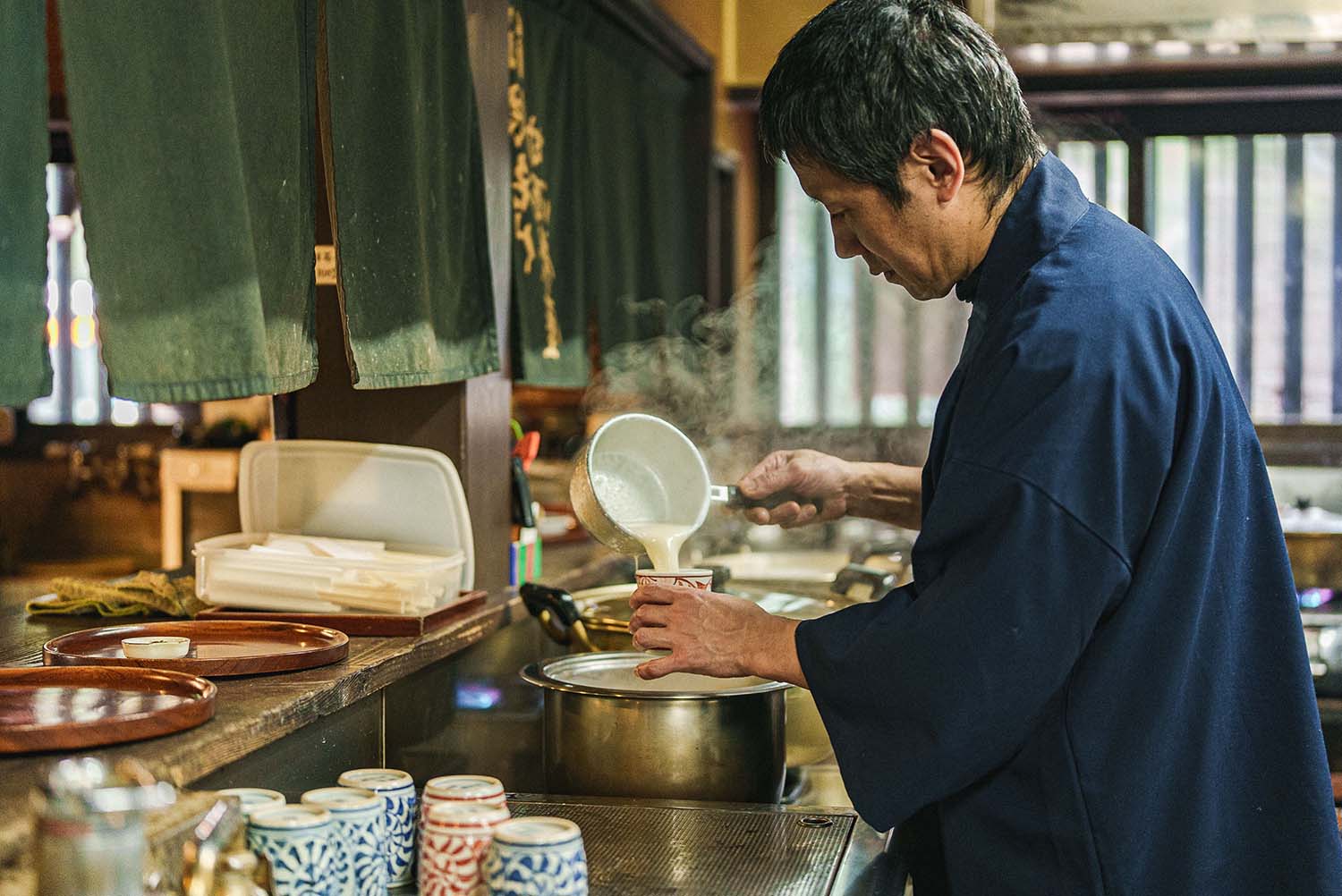
The Amasake Chaya has been serving the same menu, in the same location, in what is essentially the same building for hundreds of years. It is now run by the 13th generation of the same family. You can enjoy the same mochi and sweet amazake that was served to other travelers centuries ago. Walking under the thatched roof, on earthen floors, with wooden pillars that show their age is a special genuine experience that takes you back to the olden days.
Read our complete guide to Amasake Chaya →
Walking the Ancient Stone Road
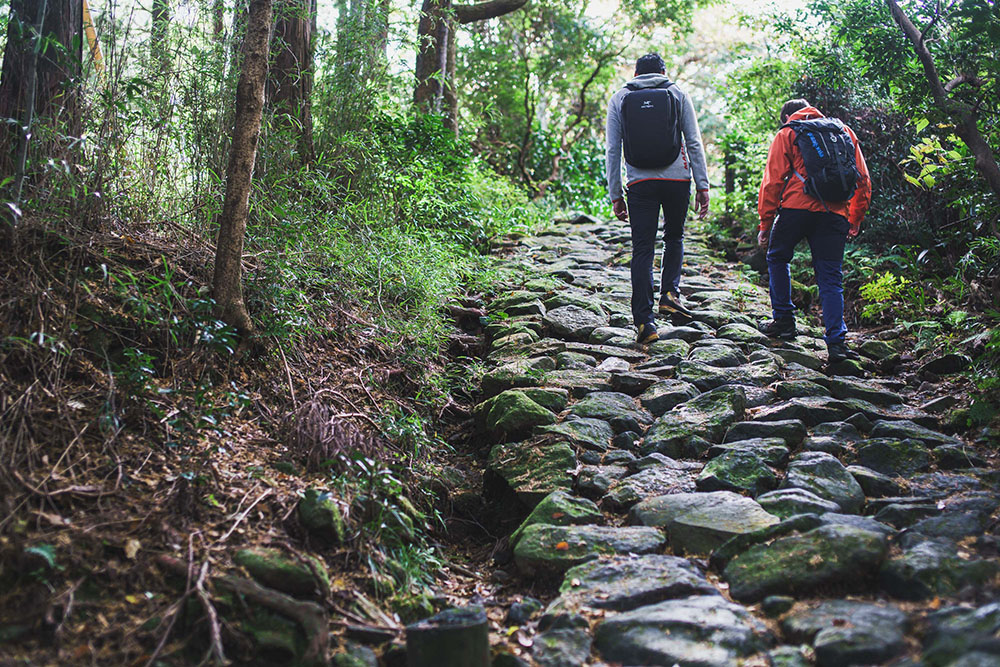
The most memorable part of the Old Tokaido is the ancient stone-paved road that still survives in Hakone today. Worn smooth by centuries of footsteps, these stones once carried samurai, merchants, pilgrims, and feudal lords traveling between Edo and Kyoto.
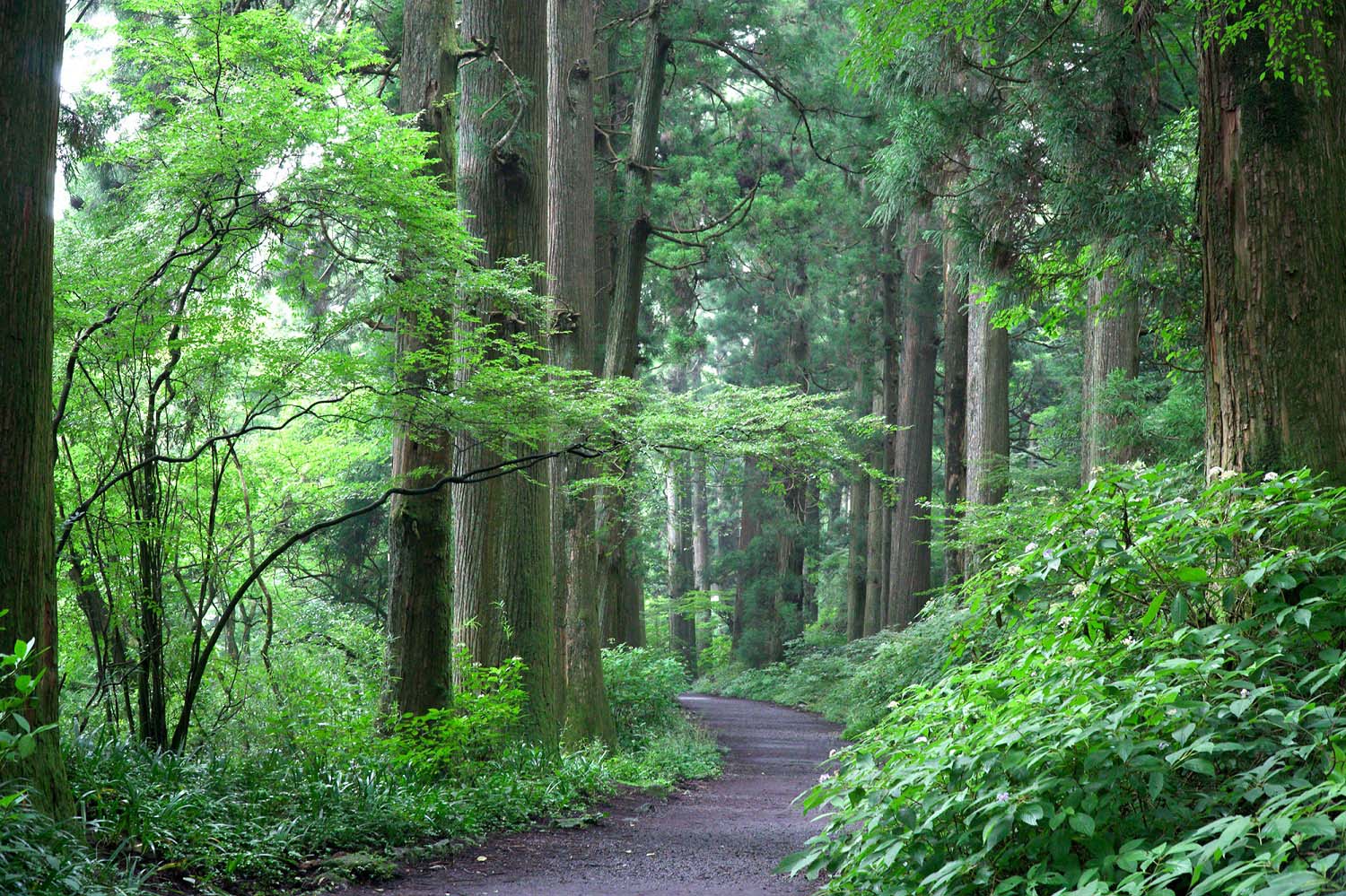
Walking this section is more than a hike. The uneven stones, towering cedar trees, and quiet forest create a rare opportunity to experience Japan's history through all of your senses. Unlike museums or reconstructed sites, this is the original route itself—largely unchanged for hundreds of years.
The Cedar Avenue of Hakone
A wonderfully preserved section of the road exists on the banks of Lake Ashi. Here you can walk among the towering trees that were planted over 300 years ago under the Tokugawa Shogunate. The road has scarcely changed over that time. The trees that were planted to provide shade to travelers still do their job hundreds of years later. Walking among the quiet giants gives you time to appreciate and feel the history of this beautiful road. Any notable figure in the Edo period would have traveled on this road. Imagine a time when samurai, running messengers, traveling nobilities and princesses, pilgrims and merchants all used the same road you can walk.
The Old Tokaido Way runs from Hakone Yumoto and up the mountain past the shores of Lake Ashi. The most impressive sections are near the lake between the Barrier Check Point and the Amasake Chaya.
Guide's Perspective
After guiding travelers along the Old Tokaido for many years, we have noticed that this walk often becomes the most memorable part of their time in Hakone.
Many visitors arrive expecting views of Mount Fuji, hot springs, or famous sightseeing spots. While those experiences are wonderful, the Old Tokaido offers something different. It allows you to slow down and connect with the stories, landscapes, and people that shaped Japan for centuries.
When we walk this road, we are always reminded that history is not only found in museums. It can still be experienced under your feet, among the cedar trees, on the same stones once used by samurai, merchants, and pilgrims. That is why we continue to return here with guests from around the world.