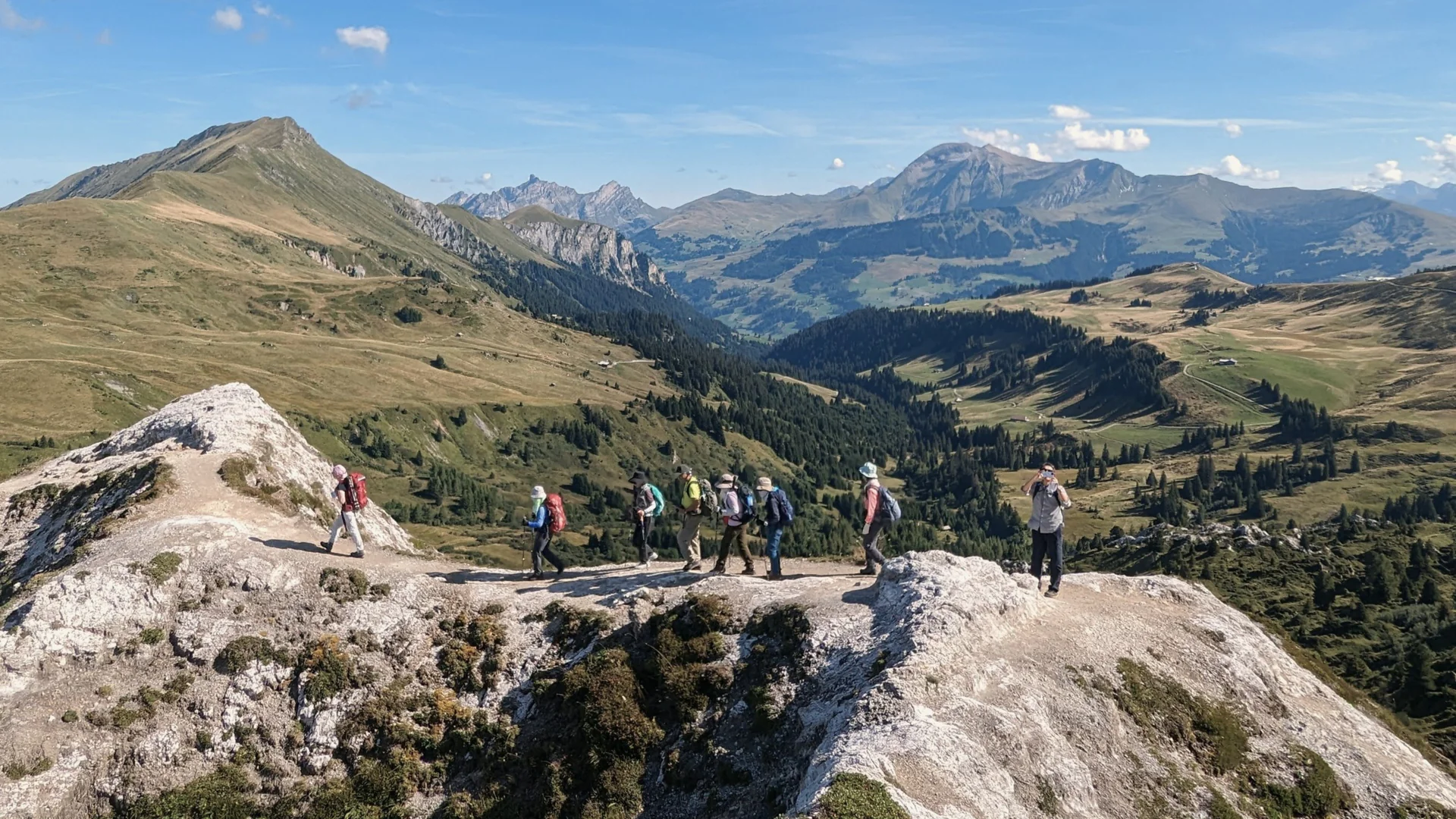
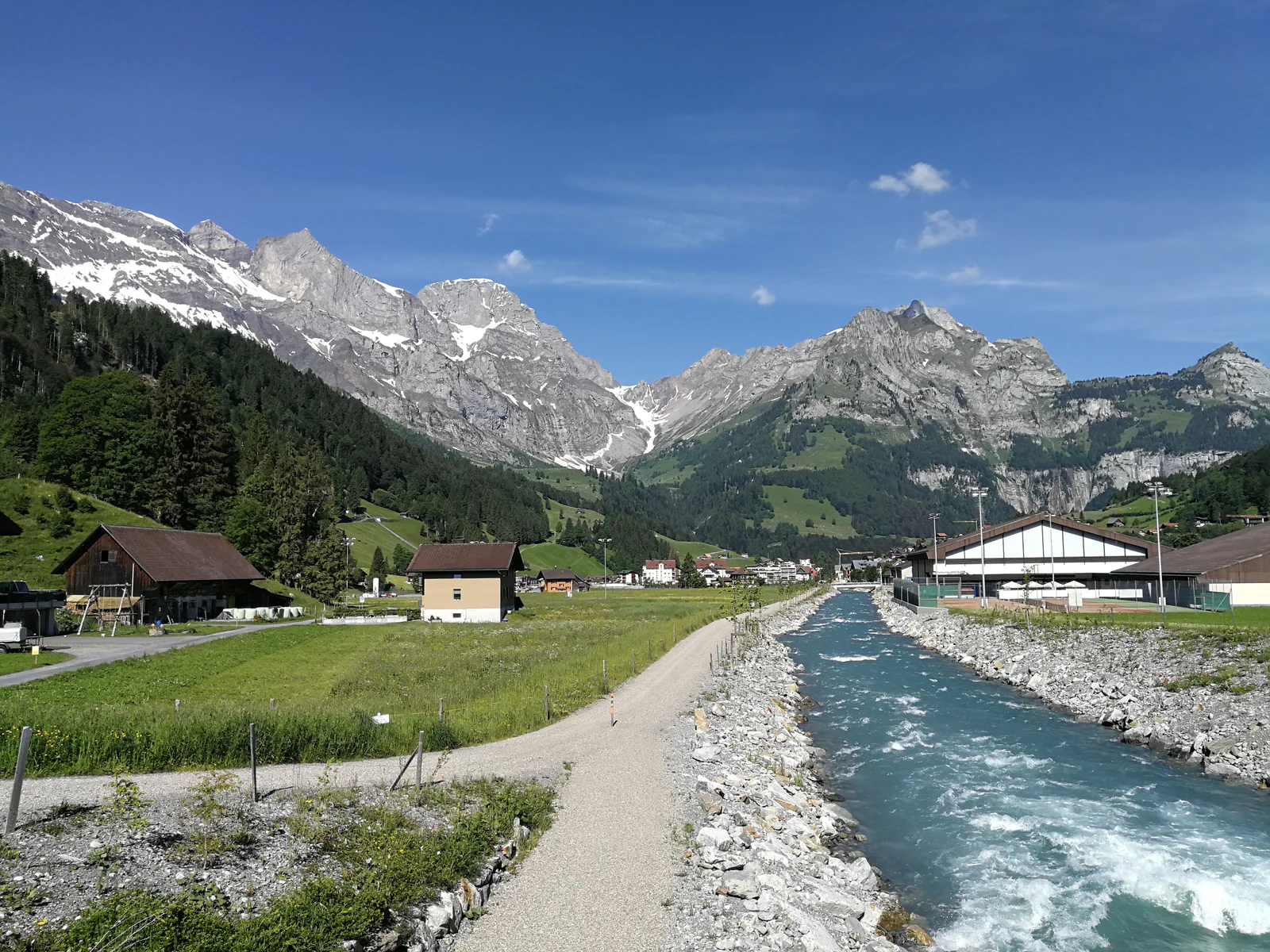
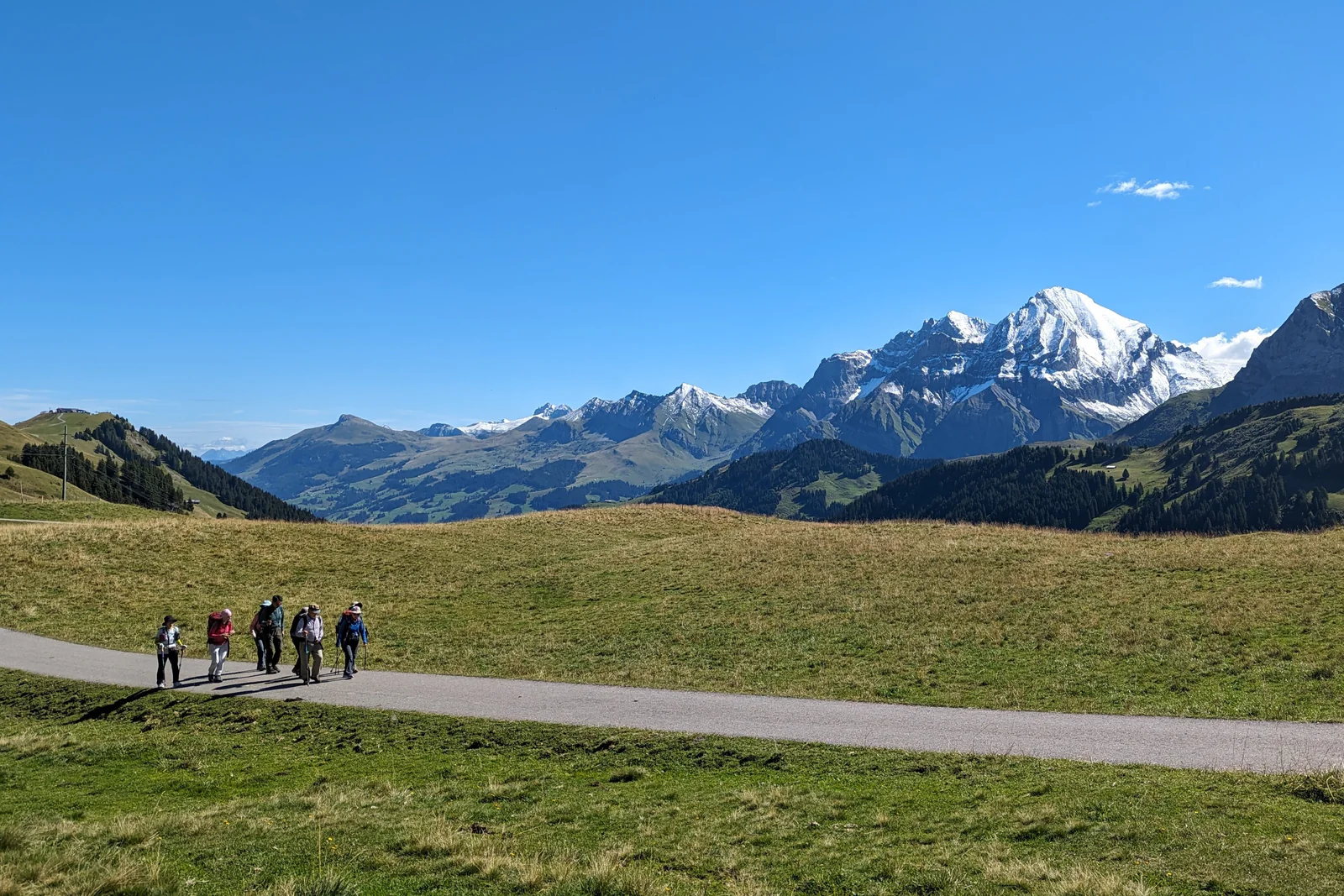
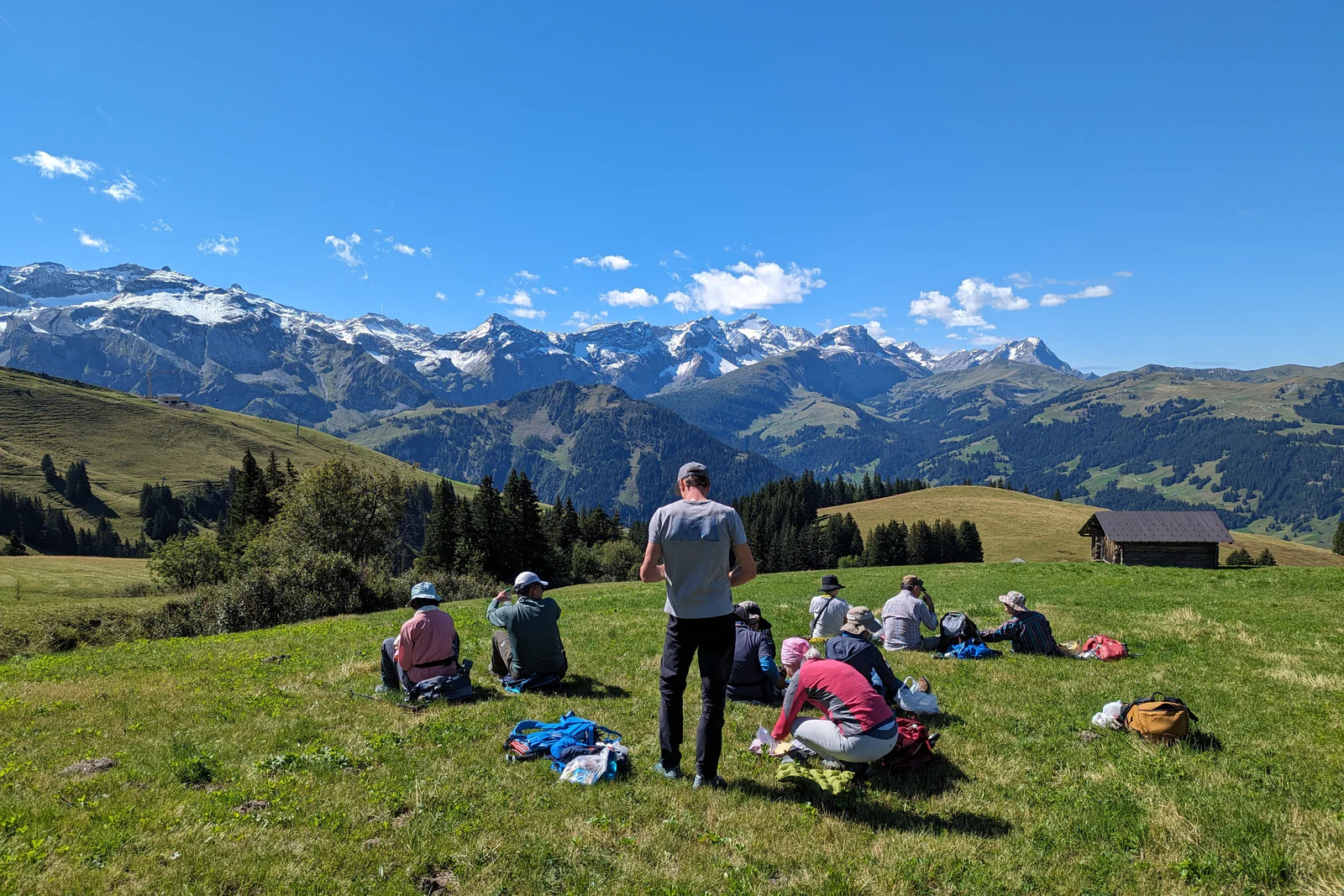
In 2019, Mammut invited me to Switzerland to walk a section of the Via Alpina — a trail network I'd heard about for years but never experienced for myself.
We started in Engelberg, a mountain town whose name translates as "Angels' Mountain." A local guide named Peter met us there. Before we'd taken a single step, he was already talking about the history of the trails we were about to walk.
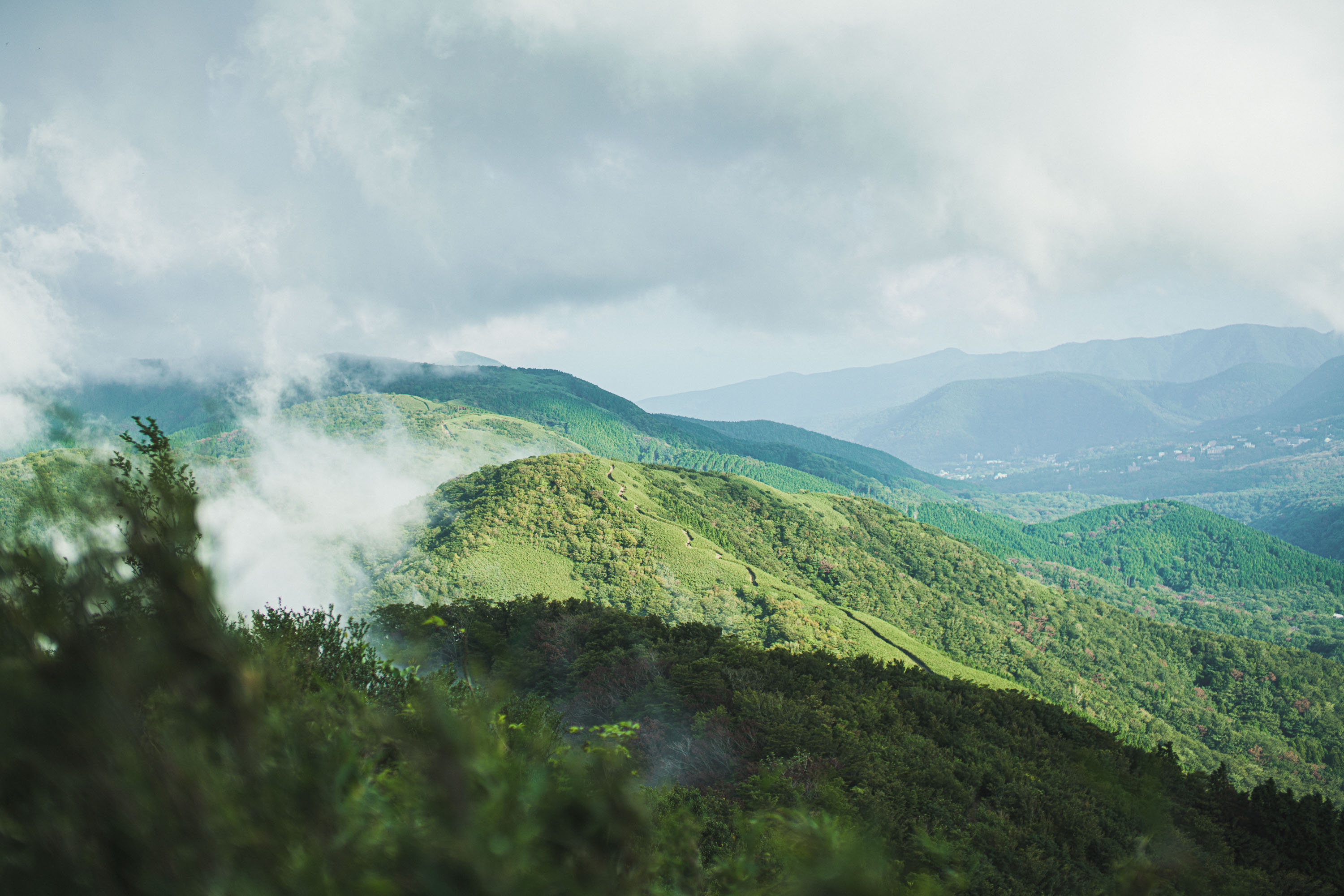
By then, I had spent five years guiding visitors through Hakone, including along the Old Tokaido Road. I was familiar with walking routes that had existed long before modern tourism.
A Road Built for Work
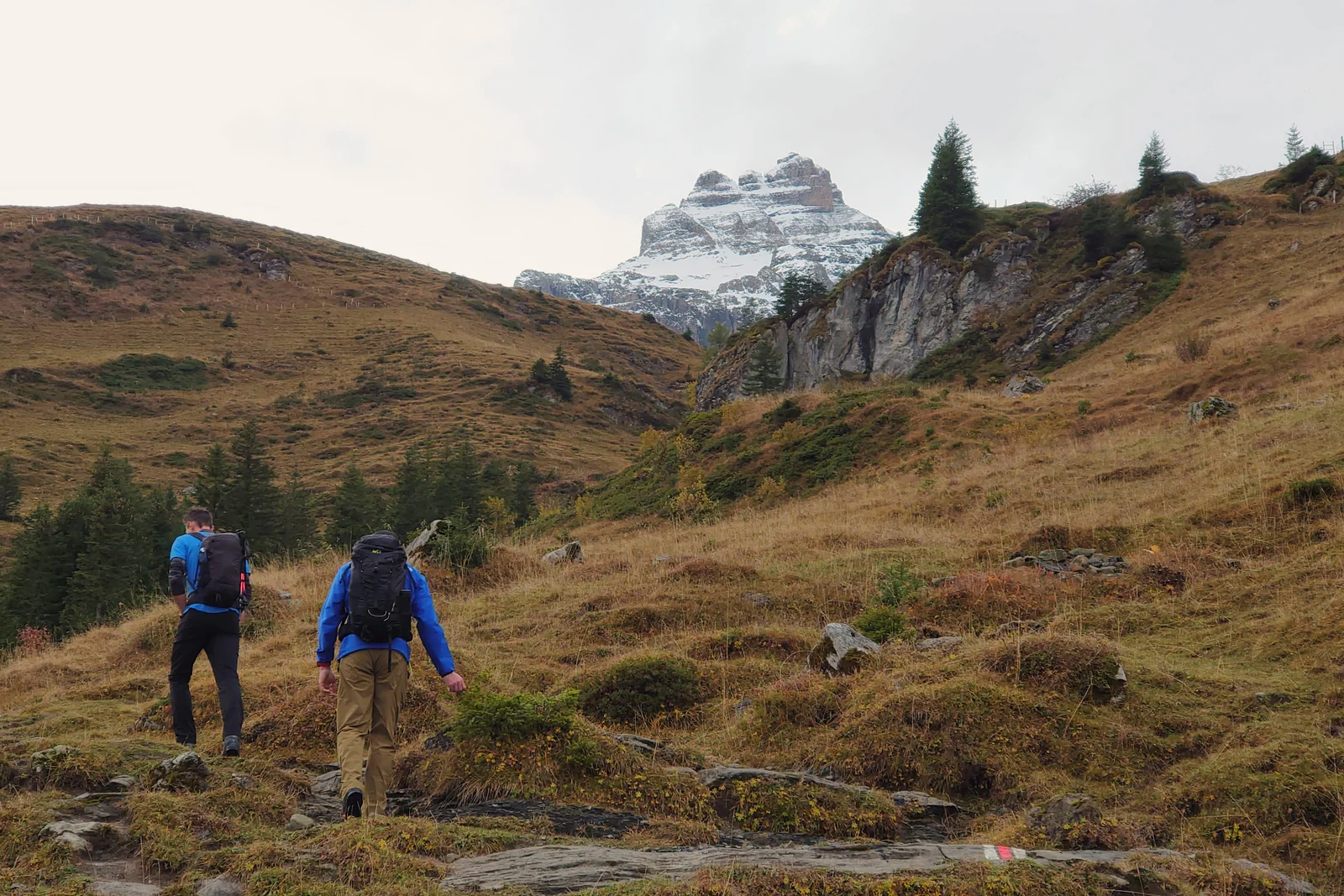
About thirty minutes into the walk, Peter stopped and pointed down at the path.
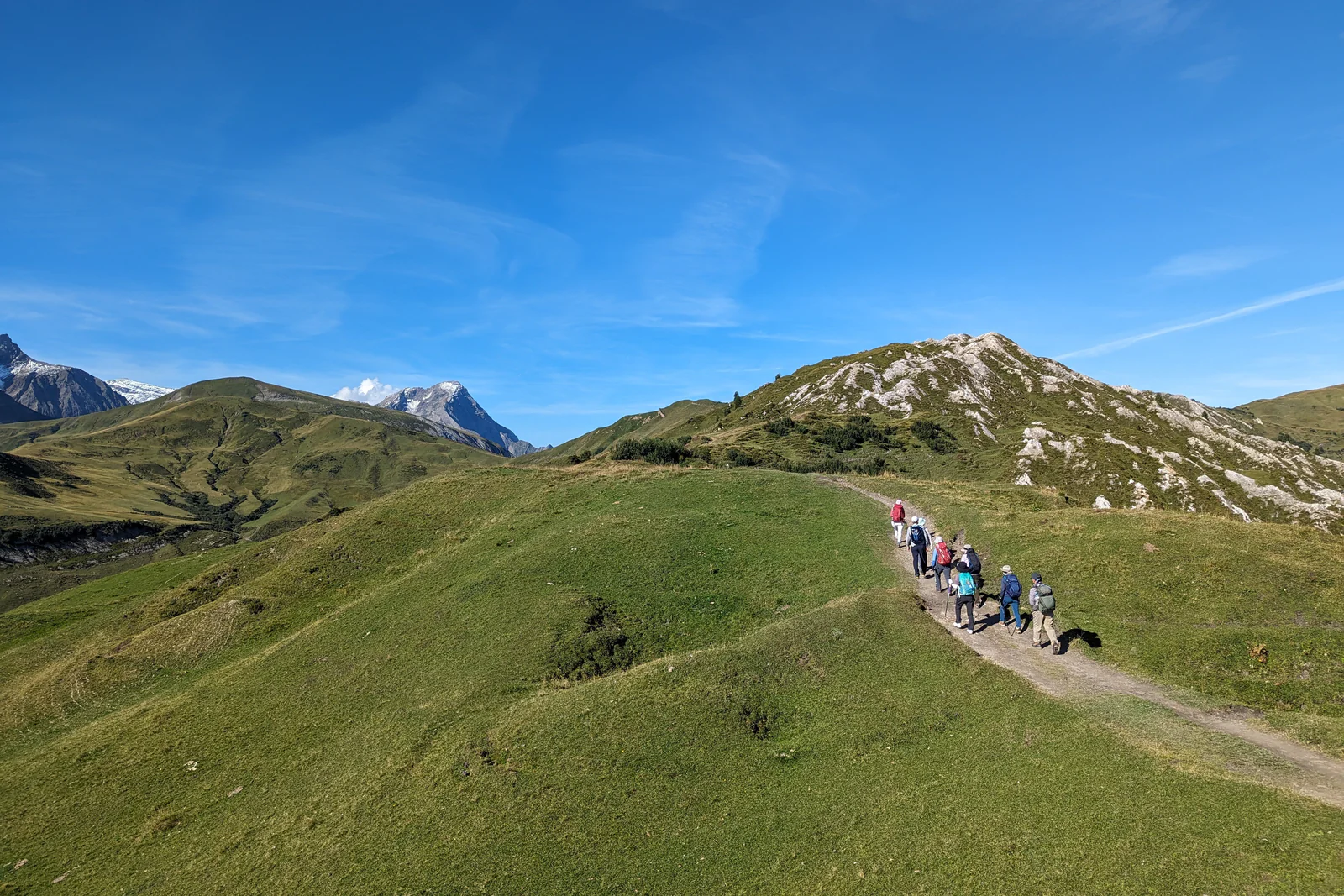
He explained that many of these trails had originally been used by farmers to transport cheese and livestock between alpine pastures and the valleys below.
For centuries, farmers had moved their animals up into the mountains during the warmer months to graze. Cheese produced in these mountain communities needed to be transported down to the valleys, and the same paths connected farms, villages, and markets.
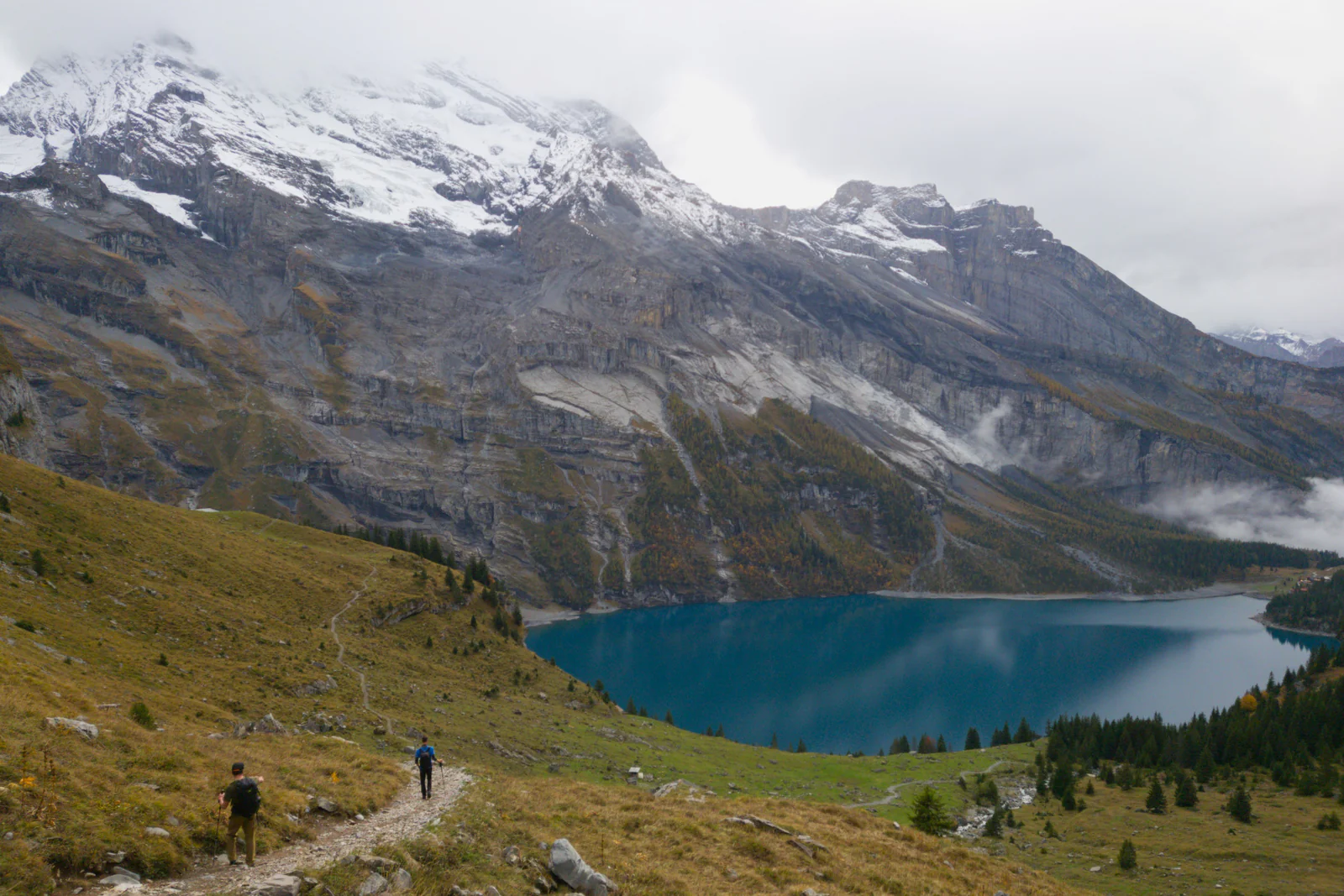
Today, hikers travel these routes for the mountain scenery. But the paths weren't originally created for recreation. They were part of everyday life in the Alps.
I knew that many historic trails had originally served practical purposes, but hearing Peter explain how these particular routes were used made the history much more tangible.
The Via Alpina Today
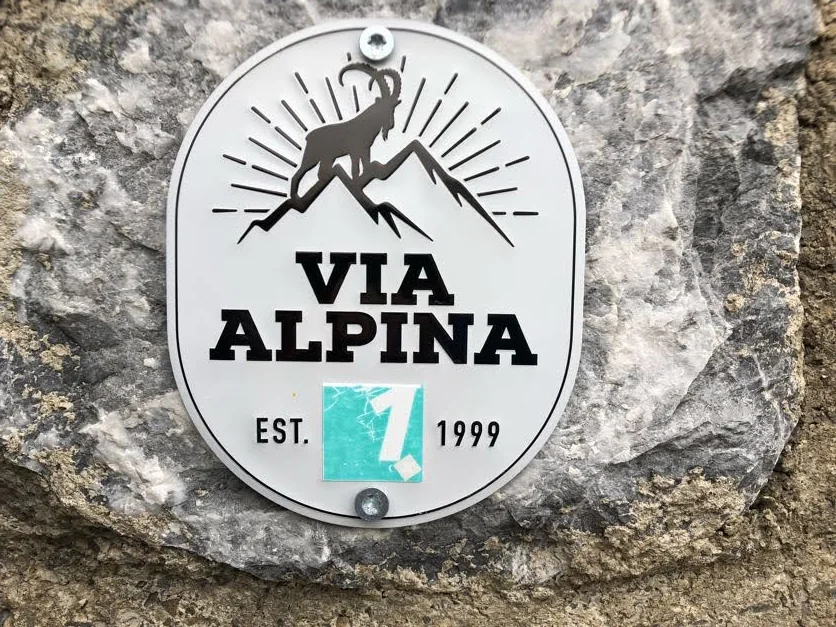
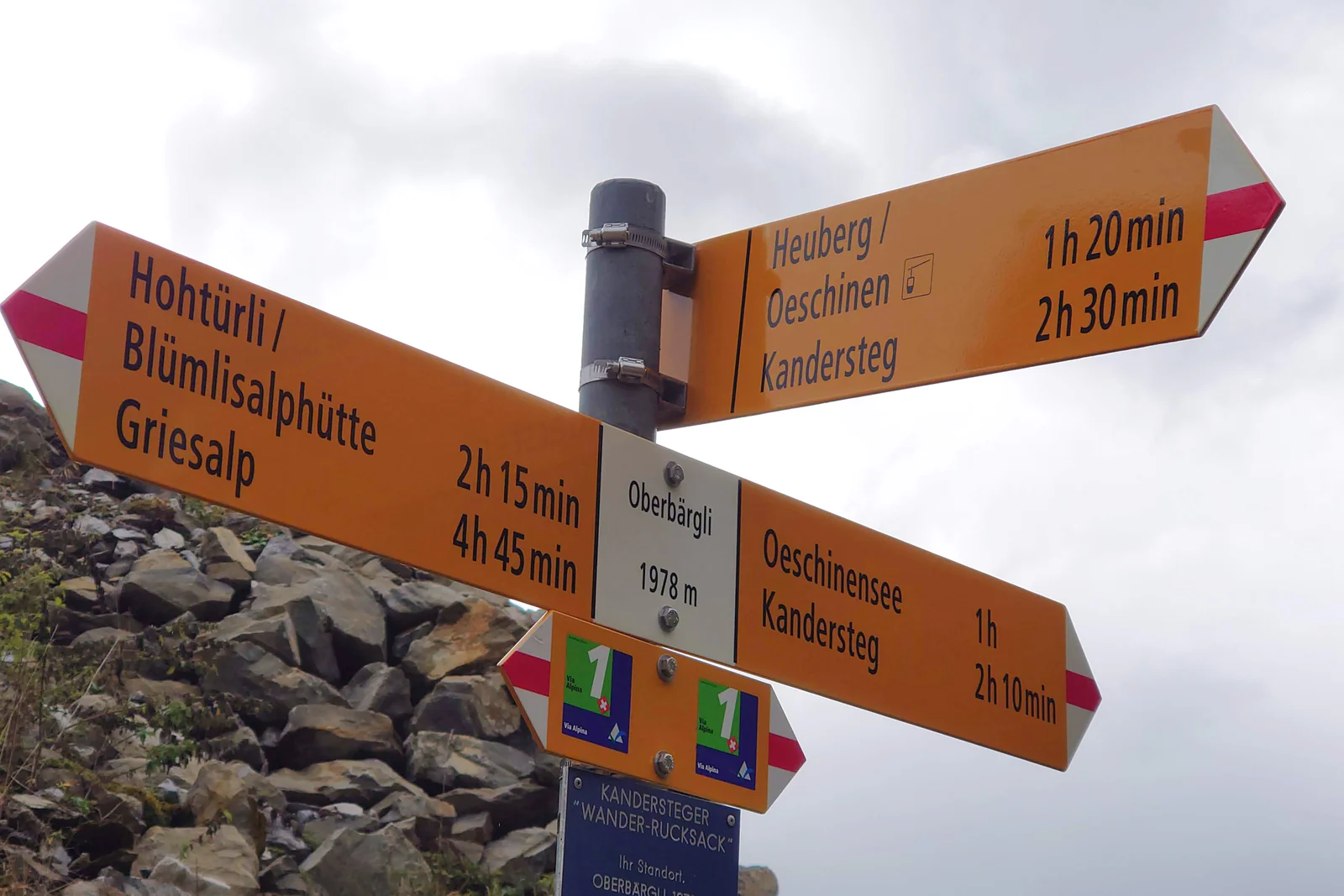
The Via Alpina project began in 1999, connecting existing mountain paths across the European Alps into an international long-distance hiking network.
Rather than creating entirely new trails, the project brought together routes that had long served local communities.
Many of these paths are still in use today, although mostly by hikers rather than farmers.
Returning as a Guide
In 2023, I returned to the Via Alpina, this time guiding guests from Japan.
Four years had passed since my first visit, but I still remembered Peter's explanation about the cheese routes.
As we walked, I shared that story with my guests. I explained how the trails we were following had once been used to move livestock and transport cheese between the mountain pastures and the valleys.
I also thought about the Old Tokaido Road in Hakone, where I had spent much of my career guiding international visitors.
Two Mountain Routes, Different Histories
The Old Tokaido was one of the major highways connecting Edo (present-day Tokyo) and Kyoto during the Edo period.
The mountain section through Hakone was difficult to cross. Travelers, merchants, and officials depended on the road, and communities developed along it to support their journeys.
Inns provided accommodation. Teahouses offered food and rest. Local people maintained sections of the route and transported goods across the mountains.
Hatajuku, a village along the Old Tokaido, became known for its woodcraft, including the geometric marquetry known as yosegi-zaiku that is still produced today.
The Via Alpina and the Old Tokaido served different purposes. One connected alpine farming communities and seasonal pastures; the other formed part of a major transportation route between Japan's cities.
But both were shaped by the practical needs of the people who used them.
Today, visitors walk these routes to experience mountain scenery, local culture, and history. Much of what makes those experiences interesting exists because generations of people once depended on the same paths for their livelihoods.
What I Bring Back to Hakone
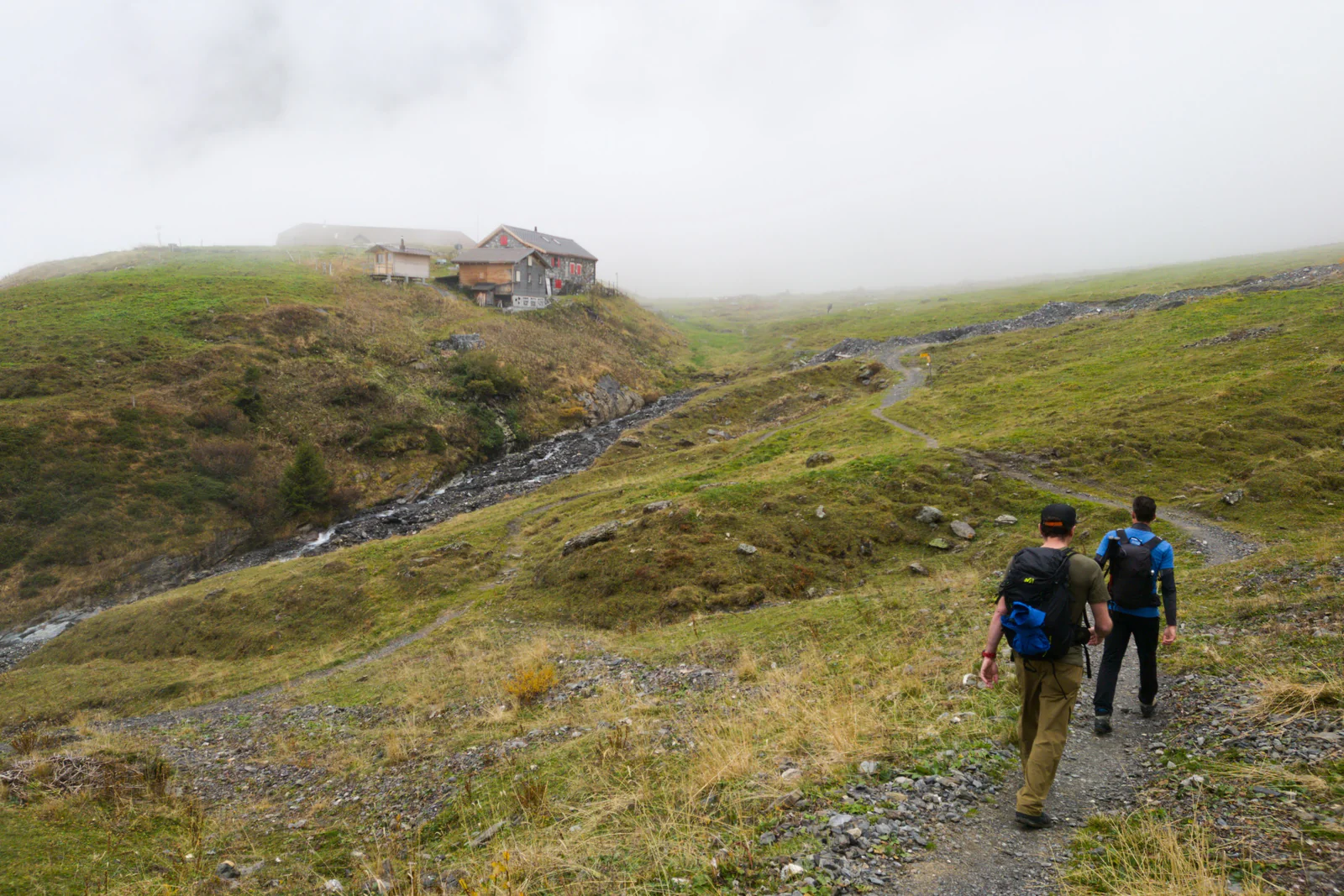
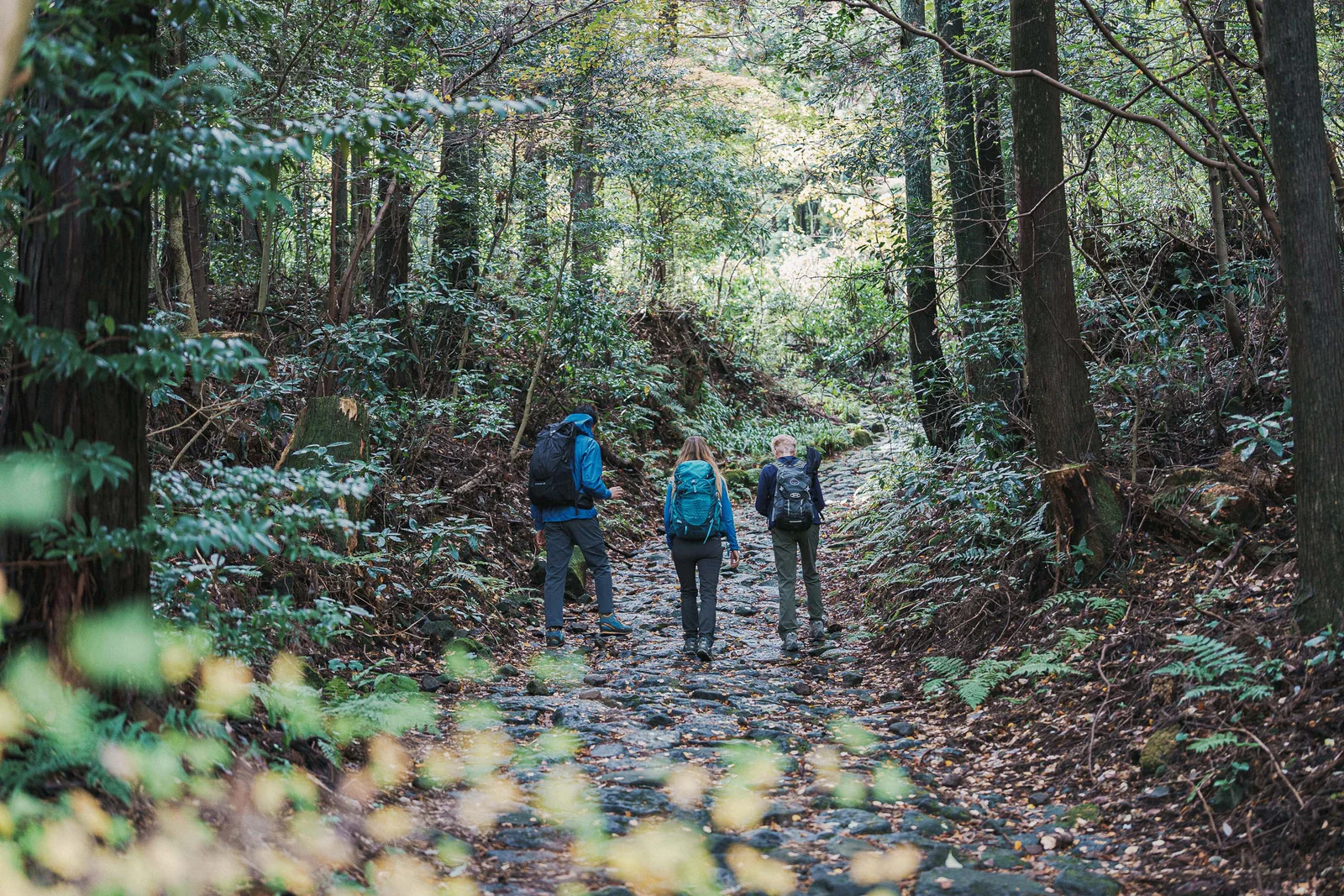
When I guide visitors along the Old Tokaido today, we walk on sections of stone pavement, pass through cedar-lined stretches of road, and stop at places where travelers have rested for centuries.
These are often the features that first attract visitors to the route.
But the more time I spend guiding, the more interested I become in the people who made the road function.
Who maintained the stone pavement? How did goods make it across the mountains? What kind of work supported the travelers passing through? And how did the communities along the route adapt as the way people traveled changed?
Peter's explanation in Switzerland reminded me to pay more attention to these questions.
When I walk the Old Tokaido with guests, I try to talk not only about the road and its history, but also about the people whose work kept it functioning for generations.